Tracing Numerical Sequences and Combinatorial Patterns in Digital Bingo and Poker Environments
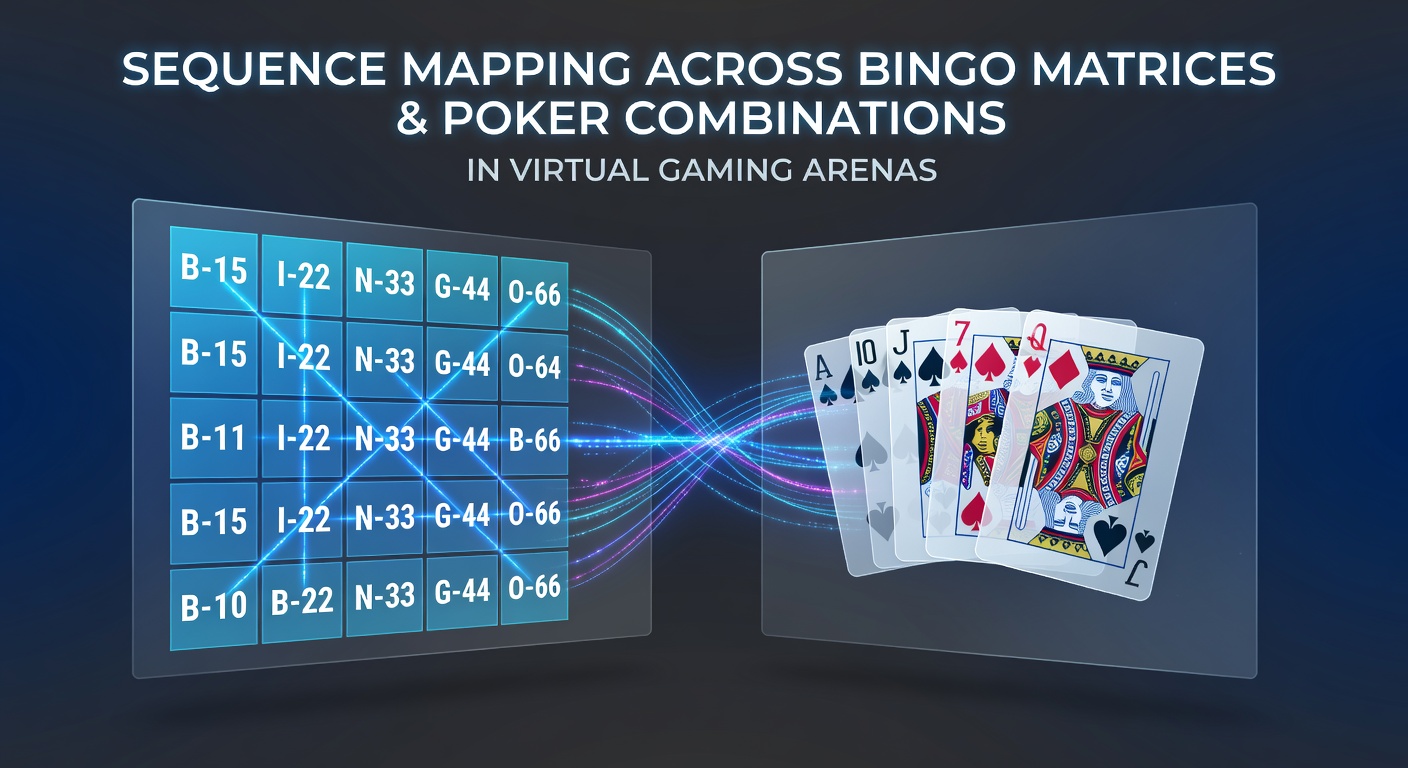
Virtual gaming platforms continue to integrate sequence tracking tools that allow players to monitor number progressions across bingo matrices while simultaneously evaluating card combinations in poker formats, and these systems draw on shared mathematical foundations in probability distribution. Researchers examining platform data note that bingo draws rely on randomized number selection within fixed grids, whereas poker hands emerge from combinatorial possibilities in multi-card decks, yet both processes benefit from algorithmic assistance in real-time virtual settings. In June 2026 several major operators expanded their cross-game analytics dashboards, enabling users to log sequence frequencies from bingo sessions and apply those metrics to poker decision frameworks without altering core game mechanics.
Bingo Matrix Structures and Sequence Generation
Bingo matrices operate on a five-by-five grid layout in standard variants, with columns restricted to specific number ranges that create predictable yet randomized sequences during each draw cycle, and platform software records every called number to generate heat maps of frequency patterns. Data from North American operators shows that players often track column completion rates across multiple cards, which parallels the way combinatorial counting functions in card-based games. Those who study these systems observe that sequence mapping software highlights gaps in number coverage, allowing adjustments in card selection before subsequent rounds begin, while virtual interfaces display cumulative statistics drawn from thousands of prior games.
Poker Hand Formation and Combinatorial Analysis
Poker combinations arise from selecting five or more cards from a standard fifty-two card deck, producing ranked outcomes that range from high card to royal flush according to fixed probability hierarchies, and virtual tables now incorporate sequence overlays that flag potential draws based on community cards. Figures released by the Pennsylvania Gaming Control Board indicate steady growth in multi-game users who cross-reference poker odds calculators with external sequence data imported from bingo modules. Observers note that hand-ranking algorithms process live inputs to display remaining outs, creating a parallel workflow to the number elimination process seen in bingo grids where each called digit reduces available options.
Integration Mechanisms in Virtual Arenas
Digital platforms employ unified databases that store sequence histories from bingo play and feed selected variables into poker interfaces, which enables users to visualize how certain number patterns correlate with card distribution tendencies across sessions. A study conducted at the University of Nevada, Las Vegas examined user behavior logs and found measurable overlap in decision timing between the two game types when sequence tracking tools remain active. Players frequently toggle between windows displaying bingo number progressions and poker equity percentages, while the underlying code maintains separate random number generators for each game to preserve regulatory compliance.

Platform updates scheduled for mid-2026 introduced API connections that pull anonymized frequency data from bingo matrices directly into poker probability models, allowing real-time adjustments without manual input. Australian regulatory reports from the Victorian Commission for Gambling and Liquor Regulation document similar feature rollouts among licensed operators, confirming that such integrations remain within established technical standards. Those monitoring industry trends report that sequence mapping reduces cognitive load by consolidating visual cues across game types rather than requiring separate mental tracking.
Pattern Recognition Across Game Variants
Sequence recognition algorithms identify recurring clusters in bingo draws, such as consecutive numbers or diagonal alignments, and translate those detections into alerts for poker situations involving suited connectors or paired holdings. Evidence from aggregated platform analytics suggests that users who apply bingo-derived frequency filters experience shifts in their poker session lengths, though individual results vary according to game volume and stake levels. Virtual environments facilitate this transfer by presenting side-by-side visualizations that highlight numerical overlaps without claiming predictive power beyond statistical correlation.
European operators participating in cross-border data sharing initiatives have contributed anonymized logs that researchers use to refine mapping protocols, resulting in more granular filters for both bingo column tracking and poker outs calculation. In June 2026 several Canadian provincial regulators reviewed these tools during routine compliance audits and confirmed adherence to fairness requirements while noting the growing popularity of combined interfaces among recreational participants.
Conclusion
Sequence mapping across bingo matrices and poker combinations in virtual arenas relies on established probability principles and platform-level data integration that continues to evolve through regulatory oversight and technical updates. Operators maintain distinct randomization engines for each game while offering analytical overlays that support informed participation. As virtual environments expand their feature sets through 2026, the focus remains on transparent presentation of mathematical relationships rather than guaranteed outcomes.