Pattern Recognition in Motion: Tracking Number Sequences and Hand Formations Across Bingo Variants and Poker Table Dynamics
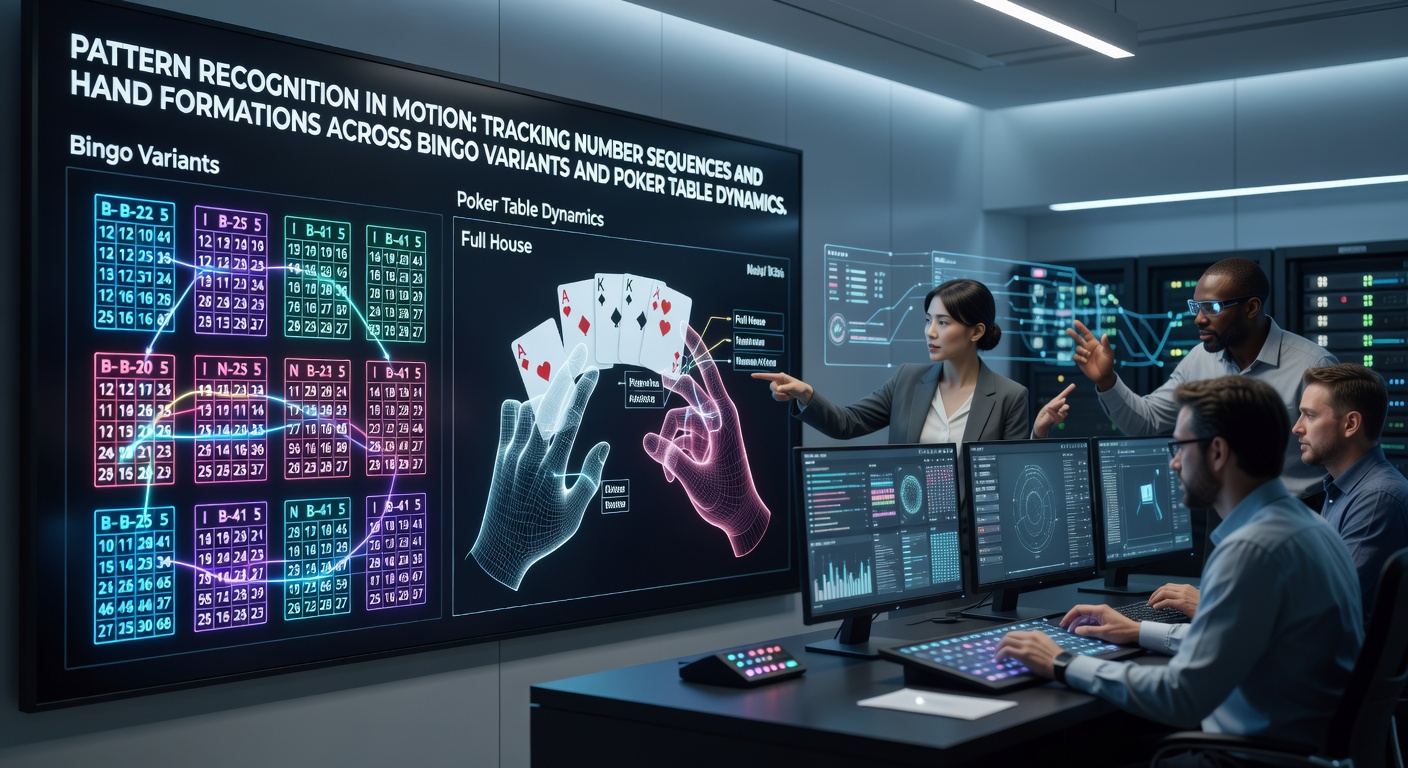
Pattern recognition plays a central role in both bingo variants and poker table dynamics where participants track number sequences alongside hand formations to inform decisions during live play. Observers note that players across these games develop skills in identifying recurring structures while games unfold in real time and data from industry reports shows consistent engagement with these mechanics in regulated environments. In bingo settings participants monitor called numbers against card grids whereas poker involves evaluating card combinations that emerge from community and hole cards combined.
Research from the University of Nevada Reno indicates that cognitive tracking of sequences in 75-ball bingo requires attention to patterns such as lines diagonals and shapes that complete within specific ball counts and these same principles extend to 90-ball formats popular in certain regions where players follow three-row grids and multiple winning opportunities arise simultaneously. Figures from the Nevada Gaming Control Board reveal steady participation rates in bingo events through early 2026 with pattern familiarity cited as a factor in sustained player involvement and similar dynamics appear in poker where hand rankings follow established hierarchies from high card through royal flush.
Bingo Sequence Tracking Across Variants
Players in bingo variants engage with number sequences that appear in rapid succession during draws and experts have observed that recognition improves when individuals mentally map called numbers to potential winning configurations on their cards. Data shows that in speed bingo variants rounds conclude faster which demands quicker identification of emerging patterns while traditional sessions allow more time for cross-referencing multiple cards at once. Those who have studied player behavior note that software tools sometimes assist in highlighting called numbers yet manual tracking remains central to many formats and this holds true across both physical and digital platforms operating under oversight from bodies like the Australian Communications and Media Authority.
What's interesting is how 80-ball bingo introduces unique four-by-four grids that blend elements from other variants creating hybrid sequence challenges where players must watch for corners lines and full houses within the same game and studies from gaming research centers confirm that such variations encourage adaptive pattern recognition strategies. As of May 2026 participation metrics indicate continued interest in these formats with operators reporting stable session lengths that support repeated sequence monitoring without excessive fatigue and this applies equally to online implementations that replicate physical draw mechanics.
Poker Hand Formation Analysis
At poker tables hand formations develop through sequential card reveals and participants track possibilities based on visible community cards combined with personal holdings. Researchers have documented that experienced players calculate outs and equity in real time which involves recognizing potential straights flushes and sets while opponents act and this process mirrors sequence tracking in bingo though the elements differ in structure. Evidence from industry analyses points to higher engagement levels in variants like Texas Hold'em and Omaha where multiple betting rounds provide opportunities to reassess formations as new information arrives.
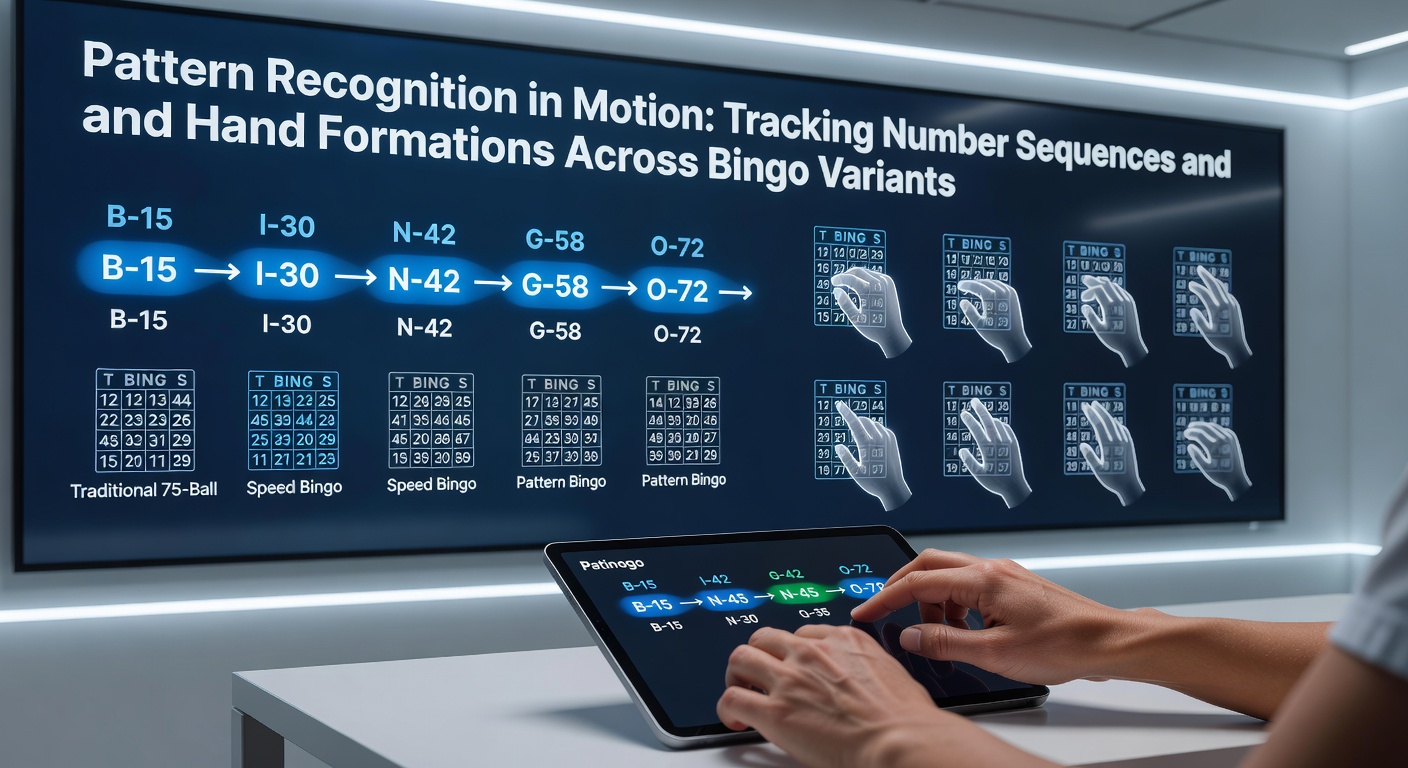
One study revealed that players who excel at pattern recognition in poker often maintain mental tallies of discarded cards and betting patterns from opponents which adds layers to formation evaluation and this approach aligns with observations from Canadian provincial gaming regulators who track player retention in poker rooms. Turns out that bluffing elements introduce additional variables since opponents may represent formations they do not hold yet recognition of consistent behaviors over multiple hands provides counter information and data indicates these skills develop through repeated exposure rather than isolated study sessions.
Parallels in Real-Time Application
Connections between bingo sequence tracking and poker hand formation emerge when considering the shared demand for rapid information processing under time constraints and observers note that both activities reward those who maintain focus across extended periods. Regulatory reports from the New Jersey Division of Gaming Enforcement highlight technology integrations such as digital aids in bingo that parallel poker tracking software yet core recognition remains a human skill set. People who've examined cross-game strategies find that familiarity with numerical patterns in one context can support combinatorial thinking in the other though direct transfer requires adaptation to each game's rules and pacing.
Here's where it gets interesting because multi-table poker sessions demand simultaneous monitoring of several hand formations while bingo halls often feature multiple cards per player creating comparable cognitive loads and statistics from gaming associations show operators accommodating these preferences through dedicated seating and interface designs. Yet the reality is that individual performance varies based on experience levels with novices relying more on basic recognition and veterans incorporating probabilistic assessments drawn from past outcomes.
Conclusion
Pattern recognition serves as a foundational element across bingo variants and poker dynamics where sequence and formation tracking support informed participation in regulated settings. Available data through May 2026 continues to reflect steady interest in these games with emphasis on the cognitive aspects that players apply during live sessions and further examination by research institutions may yield additional insights into how these skills evolve over time.