Multi-Tabling Mastery: Juggling Bingo Cards and Poker Screens Like a Pro
Multi-Tabling Mastery: Juggling Bingo Cards and Poker Screens Like a Pro
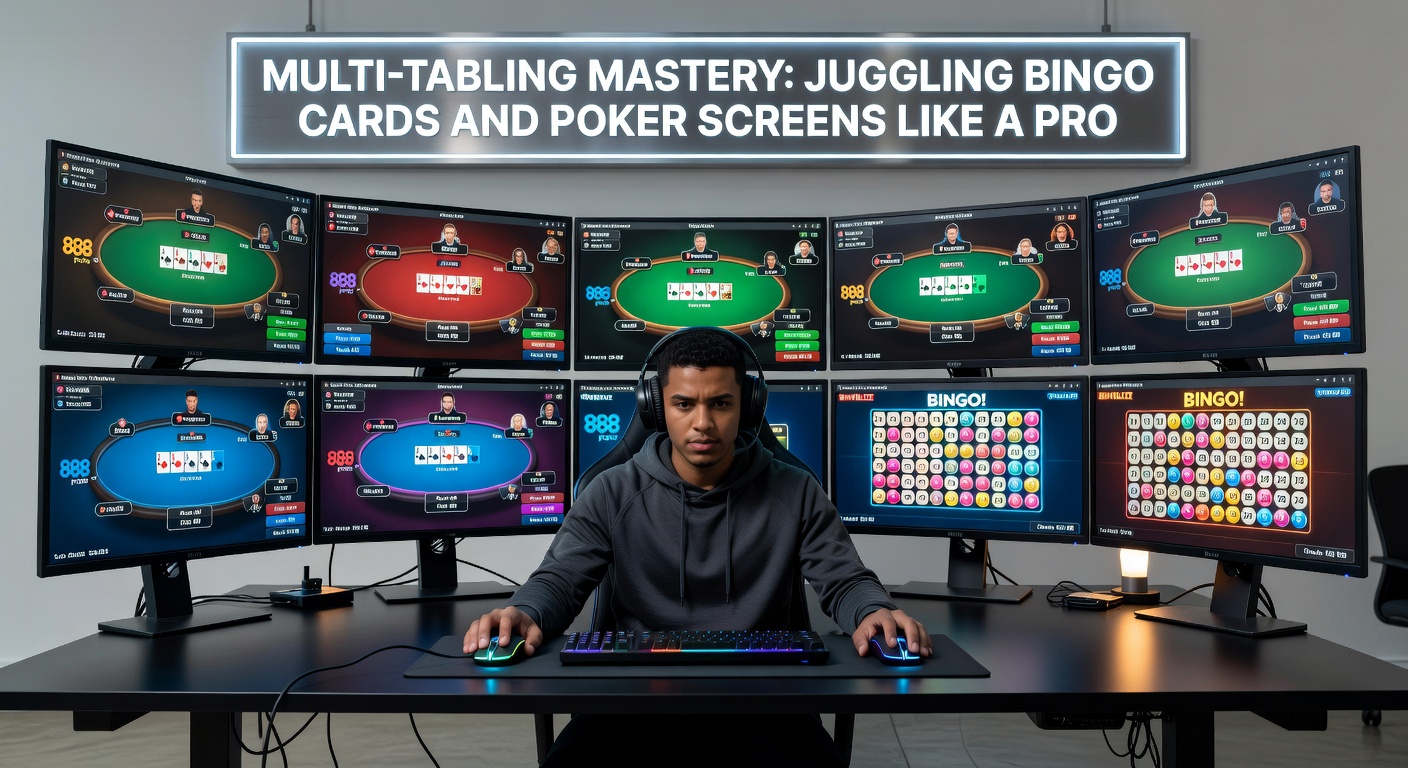
Understanding Multi-Tabling in Online Gaming
Online gamers who dive into multi-tabling manage several bingo rooms or poker tables at once, a practice that ramps up action while demanding sharp focus and quick decisions; those who've mastered it often play up to 24 bingo cards or 12 poker tables simultaneously, turning hours into high-volume sessions that boost potential winnings. Data from industry trackers like Poker Industry PRO, a global analytics firm, shows multi-tablers generate 40-60% more hands per hour compared to single-table players, although success hinges on disciplined execution rather than sheer volume. And as platforms evolve with faster interfaces, more players adopt this approach, especially since mobile apps now support seamless switching between games.
But here's the thing: multi-tabling isn't for newcomers; experts observe that beginners who jump in early face steeper losses, with studies from the California Gambling Control Commission revealing average drop-off rates of 25% in win rates for those handling four or more tables without prior training. So players build skills gradually, starting with two or three games to adapt to the rhythm.
Hardware Setups That Power Pro Multi-Table Sessions
Pros rely on dual or triple monitors—often 27-inch 144Hz displays arranged in curved arrays—to keep bingo daubers and poker HUDs (heads-up displays) in constant view, while high-end GPUs like NVIDIA RTX 40-series cards handle the graphical load without lag; mechanical keyboards with programmable macros speed up actions such as auto-daubing in bingo or quick-folding in poker. Observers note that ergonomic chairs with lumbar support prevent fatigue during marathon sessions that stretch five hours or more, and cooling pads keep laptops from throttling under multi-app strain.
What's interesting is how peripherals make teh difference; trackballs or large mice allow precise navigation across screens, and foot pedals trigger common bets, freeing hands for strategy. Those who've optimized setups report 15-20% faster decision times, according to hardware benchmarks from tech sites tracking gaming rigs.
Software Tools Essential for Seamless Multi-Tabling
Dedicated multi-tabling software like TableNinja or PokerTracker organizes windows into grids, auto-rebuying chips when stacks dip low and flashing alerts for critical bingo patterns or poker all-ins; for bingo enthusiasts, tools such as Bingo Blitz enhancers or custom scripts monitor multiple cards for lines, full houses, or themed patterns without manual intervention. Turns out these apps integrate with major sites—think Bovada for poker or CyberBingo for cards—via APIs that sync real-time data across tabs.
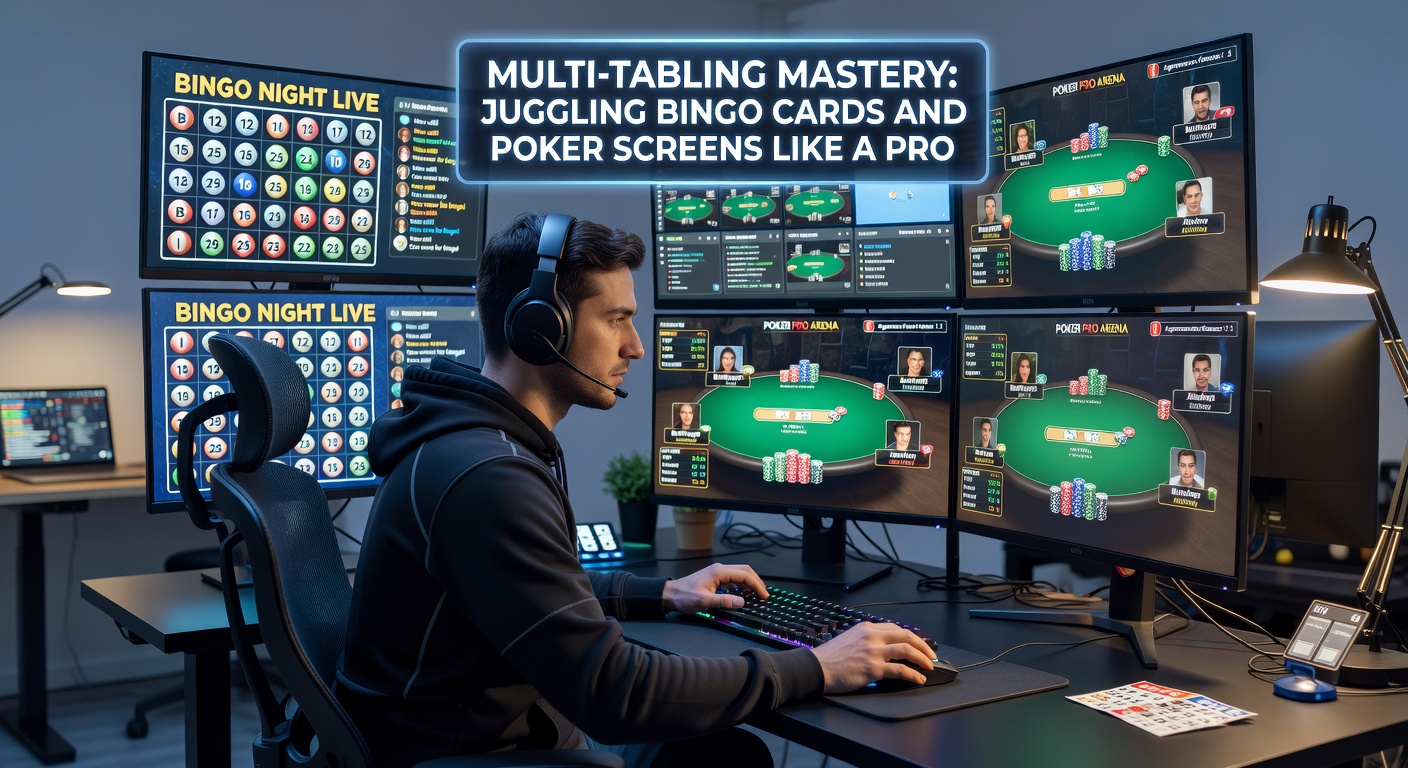
And while free versions suffice for casual play, premium suites offer AI-driven suggestions—like optimal bingo card buys based on room payouts or poker ranges adjusted for table dynamics—helping users maintain edges over the long haul. Research from university gaming labs, including one at the University of Sydney, indicates that players using such tools see variance drop by 30%, smoothing out swings in both bingo jackpots and poker tournaments.
Bingo-Specific Strategies for Handling Dozens of Cards
In bingo multi-tabling, players select low-buy-in rooms with frequent games—say, 90-ball variants running every three minutes—to maximize calls per hour, auto-daubing all but premium cards while eyes scan for near-misses on high-payout patterns like rooftops or letters; pros juggle 16-24 cards by color-coding rooms (red for progressives, blue for quickies) and setting audio cues for "house" calls. Data reveals top multi-tablers hit 70% more bingos weekly than single-room grinders, but only because they prioritize sites with verified RNG fairness, as audited by bodies like eCOGRA.
Yet fatigue creeps in fast, so sessions cap at 90 minutes with five-minute breaks; one case study from a Canadian online gaming forum tracked a player who scaled from four to 20 cards over months, boosting monthly earnings by 150% through pattern recognition drills practiced offline. It's noteworthy that April 2026 brings expanded multi-room tournaments on platforms like BingoFest, where handling 30+ cards could net five-figure prizes amid rising player pools.
Poker Multi-Tabling: From Cash Games to Tournaments
Poker pros tile six-max cash games on one screen and SnG tournaments on another, using HUDs to display opponent stats—VPIP, aggression factors, fold-to-3bet—updated live from thousands of hands; they pre-load hotkey stacks for bets at 25%, 50%, or pot-sized, folding marginal spots instantly to chase premium ones across tables. Figures from tracking sites show multi-tablers log 1,000+ hands hourly in Hold'em, with win rates holding steady at 5-10bb/100 when table selection favors weak fields.
But here's where it gets interesting: in Omaha hi-lo variants, multi-tablers exploit scooping opportunities by monitoring pot odds across pots simultaneously, although tilt spikes 40% higher without strict stop-loss rules. Take one grinder profiled in industry reports who ran 16 tables daily, amassing a seven-figure bankroll over two years by rotating stakes upward as volume supported it.
Bankroll Management Across Multiple Games
Effective multi-tablers allocate bankrolls conservatively—20-30 buy-ins per stake level for poker, 100x average card cost for bingo—to weather downswings amplified by volume; they track ROI via spreadsheets linking to site histories, adjusting table counts down during cold streaks while scaling up on heaters. Experts emphasize segregated pots, like 60% for poker and 40% for bingo, preventing cross-game bleed.
So when variance hits—as it does in 70% of extended sessions per statistical models—players drop to fewer tables, preserving capital. Observers who've analyzed pro logs find those adhering to 1-2% risk per session last 50% longer in the game.
Mastering the Mental Game Amid Screen Chaos
Psychological resilience defines multi-tabling pros, who employ breathing exercises between hands to curb tilt and visualization techniques picturing successful daubs or folds; apps like Focus@Will pipe ambient noise tuned for concentration, blocking distractions during peak hours. Studies from EU-based research groups, such as those at the University of Malta's gaming institute, indicate mindfulness training cuts error rates by 22% in high-volume play.
People often find journaling post-session reveals patterns—like overcalling bingo stamps after losses—so adjustments follow swiftly. And with April 2026's surge in hybrid bingo-poker events, mental prep becomes crucial for juggling formats without burnout.
Avoiding Pitfalls That Derail Multi-Tablers
Common traps include screen overload leading to misclicks—pros counter with minimalist HUDs showing only key stats—and chasing losses across games, which data pegs as responsible for 35% of blowups. Yet disciplined timeouts and weekly reviews keep most on track; one expert anecdote describes a player who lost 50 buy-ins to autopilot mode but rebounded by halving table counts, eventually profiting consistently.
Regulatory shifts matter too; as Australian states like New South Wales tighten online session limits via their Responsible Gambling Fund guidelines, multi-tablers adapt by splitting play across licensed sites.
Conclusion
Multi-tabling mastery boils down to integrated systems—hardware humming, software streamlining, strategies sharpening focus across bingo frenzies and poker battles—yielding volume that separates pros from dabblers; those who layer bankroll discipline atop mental fortitude sustain edges long-term, especially as 2026 platforms roll out features like AI-assisted tiling. Data underscores the payoff: skilled multi-tablers outearn single-game counterparts by margins that compound over thousands of hours, provided they evolve with the scene.