From Church Basements to Virtual Tables: How Bingo's Group Rituals Inform Poker Etiquette Studies in Licensed Gaming Venues
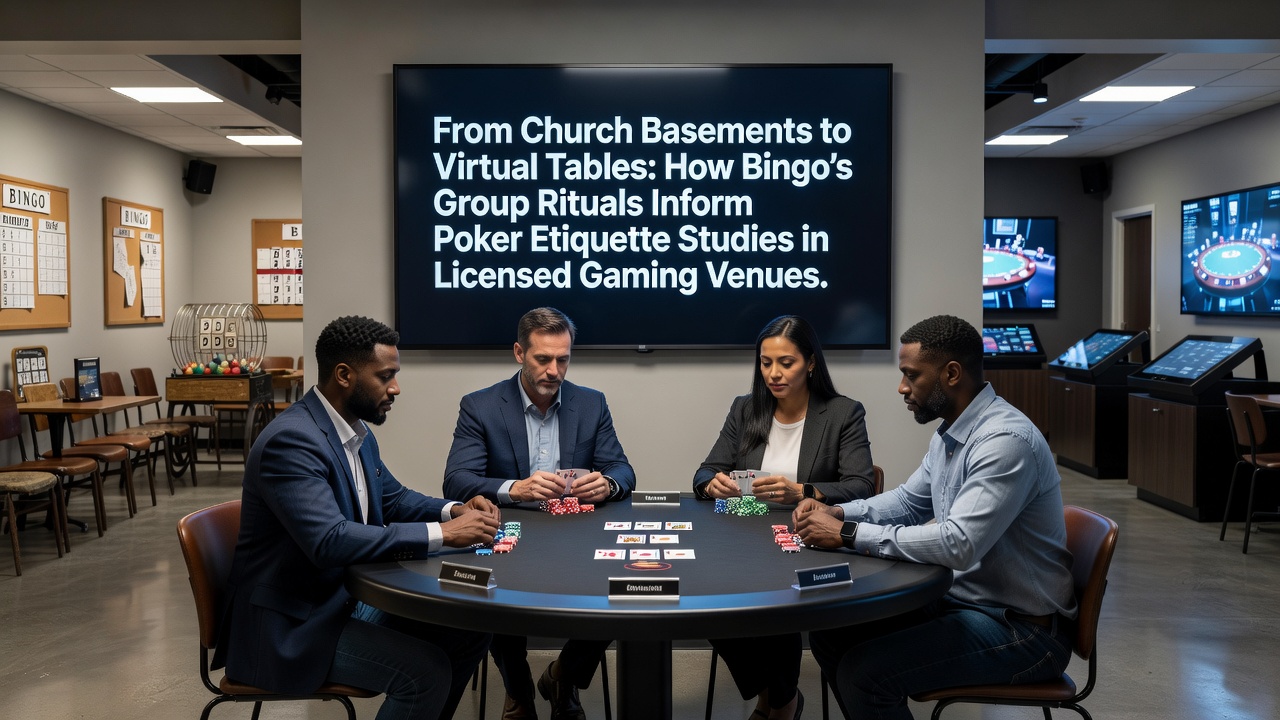 Bingo gatherings once filled church basements and community centers across North America and Europe where participants followed unwritten codes for calling numbers, sharing cards, and maintaining group harmony during extended sessions. These practices established patterns of mutual respect and synchronized behavior that researchers now examine for their influence on poker table conduct in regulated environments. Data from gaming oversight bodies shows that social norms developed in bingo halls continue to shape expectations around verbal restraint, chip handling, and dealer interactions at poker venues operating under state licenses. Licensed operators track how early bingo rituals translated into structured play sequences, and this history informs training modules used by casino staff in 2026. Observers note that bingo participants traditionally waited for the caller to complete each number announcement before marking cards, a pause that parallels the requirement for poker players to allow betting rounds to finish without interruption. Such parallels appear in compliance reports submitted to regulatory agencies where etiquette violations receive documentation alongside financial metrics.
Community Practices and Their Migration to Card Rooms
Early bingo sessions required players to occupy fixed seats and avoid blocking sightlines to the caller board, rules that echo current poker room policies limiting phone use and requiring players to remain seated during active hands. Research compiled by the American Gaming Association indicates that venues adopting these inherited guidelines report fewer disputes during peak hours. When bingo moved into larger halls during the mid-twentieth century, organizers introduced verbal announcements to confirm wins before payouts, a verification step mirrored today in poker tournaments where floor staff confirm hand rankings aloud before awarding pots.
Studies conducted through university gaming research centers reveal that players who learned card games first through bingo demonstrate quicker adaptation to poker seating order and betting cadence. This transfer occurs because both activities rely on collective attention to sequential calls or actions, reducing instances of premature reveals or out-of-turn bets.
Virtual Platforms and Retained Rituals
Online bingo platforms introduced chat functions that replicate the light conversation once common in physical halls, yet operators enforce moderation rules to prevent distraction during number draws. Licensed poker sites apply similar filters to player messaging, drawing directly from bingo moderation templates developed in the early 2000s. Figures released by the Australian Communications and Media Authority show that platforms blending these moderation approaches maintain higher retention rates among users transitioning between game types.
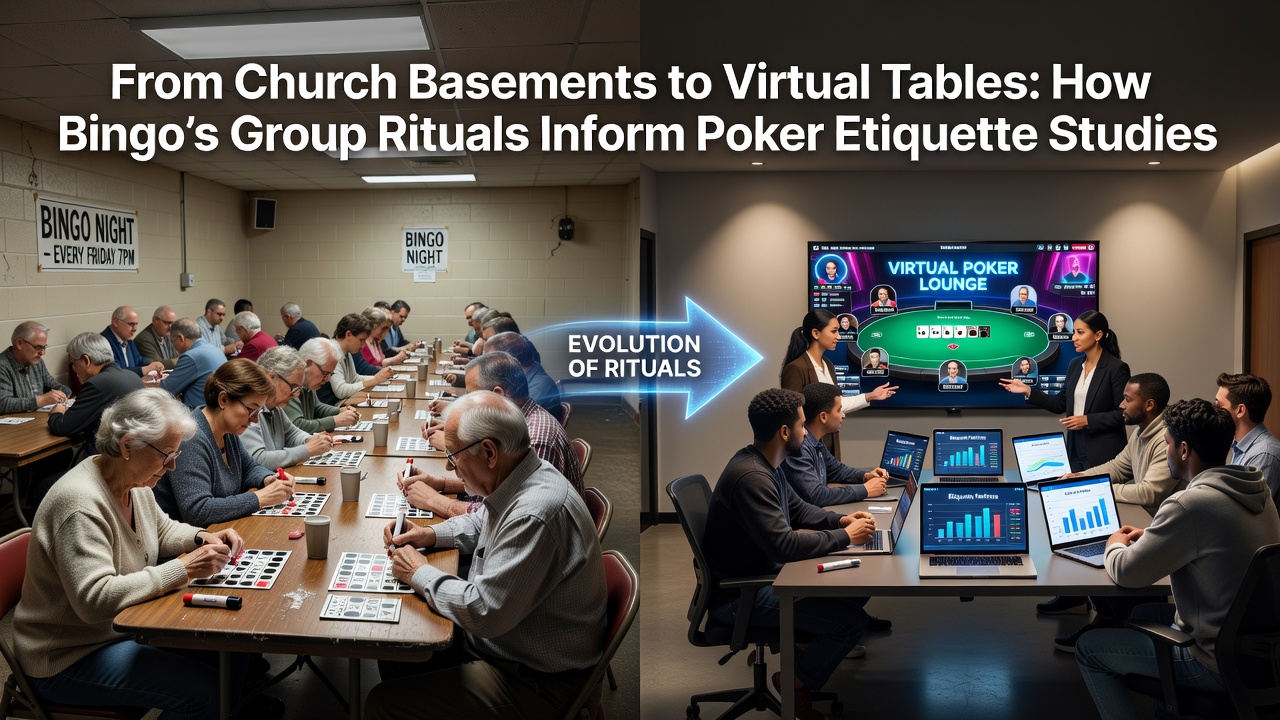
July 2026 marks the rollout of updated software standards in several jurisdictions that require virtual tables to include visible turn timers modeled on bingo draw intervals, ensuring all participants receive equal opportunity to act. These standards emerged after industry working groups reviewed historical bingo session logs alongside current poker hand histories to identify friction points in digital etiquette.
Regulatory Integration and Training Applications
State gaming commissions in Nevada and New Jersey now incorporate bingo-derived etiquette modules into dealer certification programs, focusing on de-escalation techniques that originated in community hall disputes over disputed numbers. Training materials emphasize neutral language when announcing outcomes, a practice that reduces player confrontations at both physical and virtual poker tables. Compliance audits conducted through mid-2026 indicate measurable declines in formal complaints when these modules receive consistent application across shifts.
Academic papers published by Canadian research institutes compare player behavior logs from bingo apps and poker networks, documenting how shared expectations around silence during critical moments reduce cognitive load and support faster game flow. Licensed operators receive summaries of these findings to refine house rules without altering core game mechanics.
Conclusion
Patterns established in bingo's group settings continue to supply measurable frameworks for poker etiquette standards inside licensed venues. Regulatory updates scheduled through the remainder of 2026 integrate these historical elements into digital compliance tools and staff training, producing consistent behavioral expectations across formats. The migration of ritualized conduct from physical halls to virtual tables demonstrates how foundational social structures persist even as delivery platforms evolve.