Cross-Game Number Flows: How Bingo Call Sequences Shape Real-Time Probability Assessments at Poker Tables
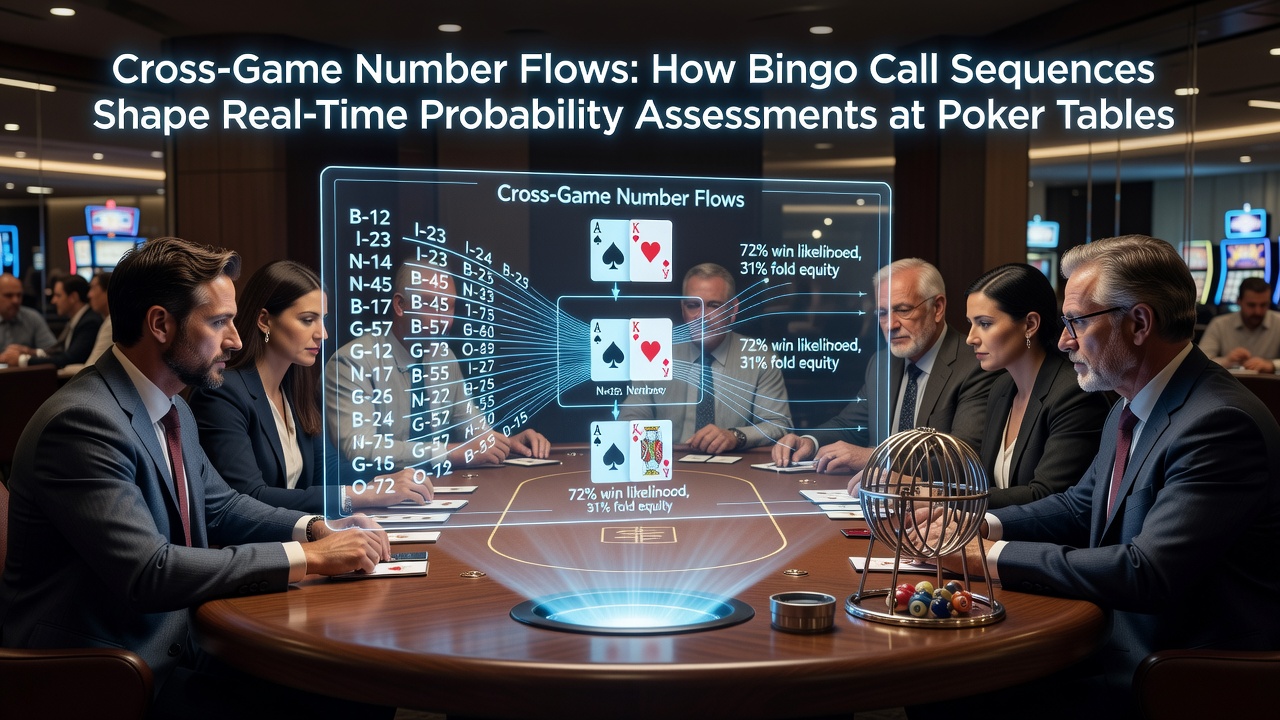
Digital platforms in 2026 continue to integrate elements from multiple gaming formats, and observers note that bingo call sequences now appear in tools designed for poker probability tracking. These sequences consist of randomly generated numbers drawn in succession, and researchers have examined how exposure to such patterns influences the way players evaluate odds during live poker hands. Data from licensed operators shows that players who regularly engage with bingo variants often apply similar sequential tracking methods when assessing poker situations like flush draws or straight possibilities.
Sequence Generation in Bingo Systems
Bingo platforms operate under strict algorithmic standards where number generators produce calls at fixed intervals, and studies from the Nevada Gaming Control Board indicate that these sequences follow uniform distribution principles across thousands of draws. Players track recent calls to anticipate future numbers, which creates a mental model of probability flow. When this same approach transfers to poker tables, individuals monitor community cards and betting patterns as if they were sequential data points, though poker shuffles rely on different randomization protocols enforced by regulatory bodies such as the Australian Communications and Media Authority.
Application to Poker Probability Calculations
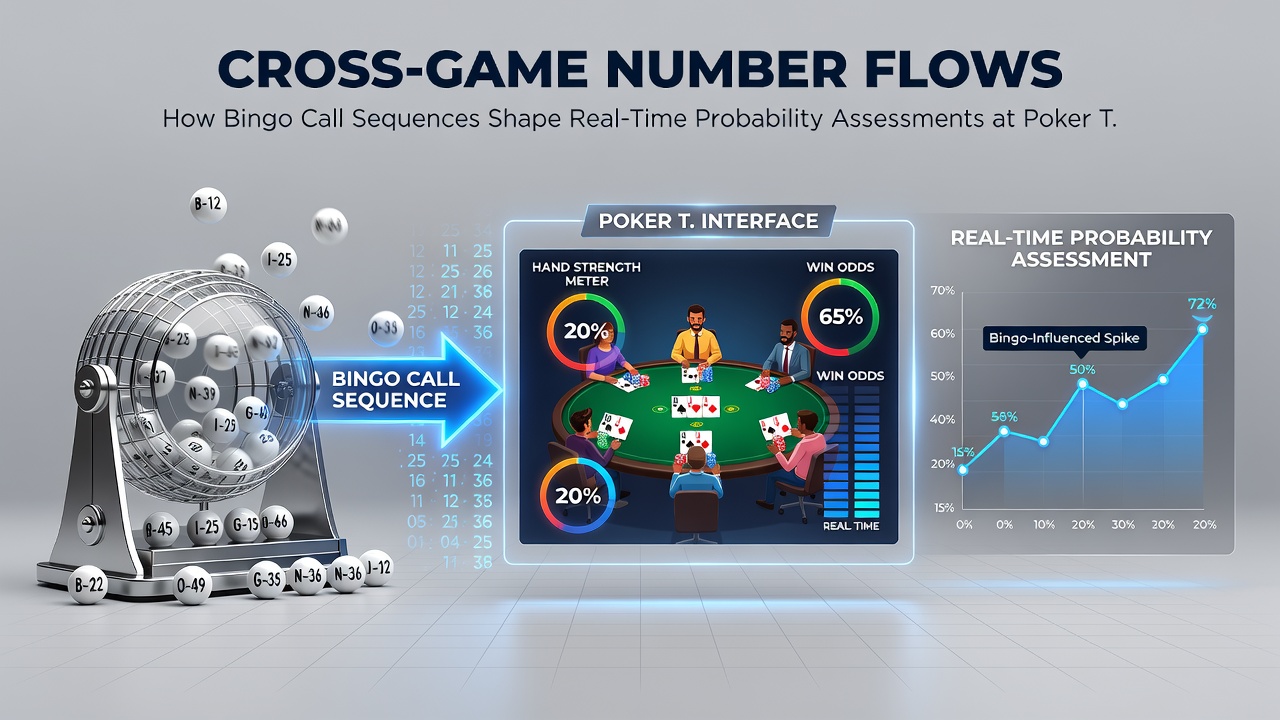
Real-time probability assessments at poker tables involve calculating outs and implied odds within seconds, and those who have studied bingo sequences often report faster pattern recognition when counting remaining cards in the deck. Research indicates that exposure to bingo number flows strengthens the ability to process numerical information quickly, which becomes relevant during tournament play where multiple hands occur in rapid succession. In June 2026, several major events documented increased use of mental sequence mapping among participants who also participate in bingo-style games on the same platforms.
Cross-Format Pattern Recognition
Pattern recognition mechanisms developed through bingo play extend to poker when players identify recurring numerical relationships across betting rounds. One study revealed that individuals trained in tracking bingo calls demonstrated improved accuracy in estimating hand equity during multi-street scenarios. The process works because both games present numerical information in streams: bingo delivers explicit numbers while poker presents implicit probabilities through card distribution. Observers note that this crossover appears most clearly in online environments where screen layouts display both formats simultaneously.
Regulatory and Technical Considerations
Licensed platforms must maintain separate random number generators for bingo and poker to comply with regional requirements, and figures from the Canadian Gaming Association reveal that audit processes verify independence between these systems. Yet players develop personal strategies that bridge the two through observation of call histories and card reveals. Technical implementations now include optional sequence visualization tools that some operators provide for bingo sessions, and these same interfaces occasionally appear in poker training modules used by professional circuits.
Empirical Observations from Mixed Gaming Environments
Take one researcher who examined session data from European operators and found correlations between bingo session length and subsequent poker decision speed. The analysis showed that longer exposure to sequential number flows corresponded with reduced time spent on basic probability calculations during poker hands. Another case involved tournament participants who maintained bingo call logs alongside hand histories, allowing them to reference numerical patterns across both formats during breaks. Such practices remain individual choices rather than platform features, though industry reports suggest growing interest in cross-game analytics.
Conclusion
Cross-game number flows represent an emerging area where bingo call sequences inform approaches to poker probability assessment through shared emphasis on sequential data processing. Regulatory frameworks from multiple jurisdictions maintain separation between game mechanics while players develop personal methods for applying pattern recognition skills across formats. As platforms evolve through 2026, continued examination of these interactions provides additional data on how numerical sequence experience shapes real-time decision frameworks at poker tables.